The Economics of Online Shopping
Updated: May 21, 2025
Online shopping has now become a staple in our lives and the lives of people around the globe. It has made shopping incredibly convenient for users. Gone are the days of needing to visit stores in person. Now, with just a few clicks on our devices, we can purchase pretty much anything under the sun.
The sheer variety and options available online is another big reason why so many of us prefer e-commerce. Remember those times when you'd have to hop from one store to another just to find a particular item? Online shopping eliminates that hassle. You can find and buy almost anything in a matter of a few milliseconds by simply typing it into a search bar.
The Advantages of Online Shopping
One of the best parts about online shopping is that it’s available 24/7. No more rushing to the store before it closes; you can shop at any time that suits you, whether it's early in the morning or late at night. If you’re a night owl, staying up at ungodly hours like most of us in our college, online shopping becomes especially convenient. This level of convenience, along with competitive pricing and frequent discounts, makes online shopping a favourite for many of us.
Also, with our college being right in the middle of nowhere, imagine if you’d have to venture all the way to the city every time you needed to buy something. It would be a huge hassle, right? Online shopping completely eliminates that inconvenience. Instead of making long trips to the city, you can have everything you need delivered right to your doorstep. Well, almost to your doorstep—you’ll still need to make the walk to CP to pick it up, but we can't have everything, can we? Whether it’s textbooks, groceries, or even a last-minute birthday gift, you can find it online and avoid the time and effort of traveling. This ease of access is a game-changer, making life so much simpler for all of us who live far from the convenience of malls and shopping centres.
Another great benefit is the incredibly wide selection of products available online. You can find items that might not be available in your local stores, giving you access to a much broader range of choices. Plus, online platforms make it easy to compare prices from different sellers, so you can make sure you're getting the best deal possible. You don’t have to look like a penny-pincher, comparing every single price tag in the store. Now, with just a few clicks, you can find the most suitable price and make your purchase without any hassle.
Thanks to the combination of the UPI interface and e-commerce, online shopping has become incredibly easy. It's much simpler to handle digital payments than dealing with cash. However, this convenience can sometimes be a double-edged sword. We often don’t realize how much we’re spending when we pay online, and before we know it, our shopping sprees can push our budgets over the limit! You’ve probably had a similar expression of shock on your face while seeing your spendings at the end of the month.
UPI companies however are thriving with the rise of e-commerce. The more people shop online using UPI, the more revenue these companies generate. Plus, with online shopping breaking down international borders, these companies have a fantastic opportunity to expand their reach and grow their business globally.
The increasing use of e-commerce has created numerous job opportunities across various platforms, logistics, and the technology sector, benefiting individuals with intermediate to high-level education or specialized skills. You can observe the effects right here in our college, with students running after IT roles offered by Amazon and Flipkart. This trend highlights the shifting career aspirations driven by the booming e-commerce industry.
Many jobs are created for the masses as well, with positions in packing and delivering products offering financial benefits to those with lower levels of education. These roles provide a crucial source of income for many individuals, supporting livelihoods and contributing to the local economy. The logistics and delivery sectors, in particular, have seen significant growth, creating a demand for workers to handle the increasing volume of online orders.
Challenges and Drawbacks
Online shopping does come with its drawbacks, though. Since you can't physically inspect the product before ordering, there's a good chance it might not meet your expectations in terms of quality. I’m sure you’ve seen the posts on BPHC Buy & Sell, of people trying to re-sell stuff they bought online. Don’t be fooled! Most of them probably got fleeced by one of these e-commerce sites and are trying to recoup their losses.
E-commerce companies need to work hard to earn and keep their customers' trust. Some online stores also charge high delivery fees, which is another downside. Delays are quite common with online shopping, and it relies heavily on the internet and other technologies—if those fail, it can cause a lot of inconvenience, like the recent CrowdStrike bug that shut down systems worldwide.
One major disadvantage is the impact on local salespeople and small businesses that haven't established an online presence. This shift can affect communities both economically and culturally, leading to a loss of customers for local shops. Especially in a country like India, where small and medium-scale industries support the livelihoods of most people, the shift towards e-commerce has created significant difficulties for them. As these businesses are struggling to compete with online giants both in terms of price and output.
The rise of e-commerce has revolutionized shopping habits, leading people to spend a significant portion of their income online. This shift has dramatically boosted the revenue of major platforms like Amazon. However, this convenience comes at a cost to physical stores and small businesses in India, which are seeing a notable decline. As customers increasingly opt for the ease and variety of online shopping, local shops struggle to compete, resulting in decreased revenue and financial instability. This trend also threatens cultural heritage, as unique, locally-made products lose their prominence and value in favour of mass-produced online goods. The economic landscape is rapidly changing, and small businesses face the challenge of adapting to survive in this digital age.
Fun Facts
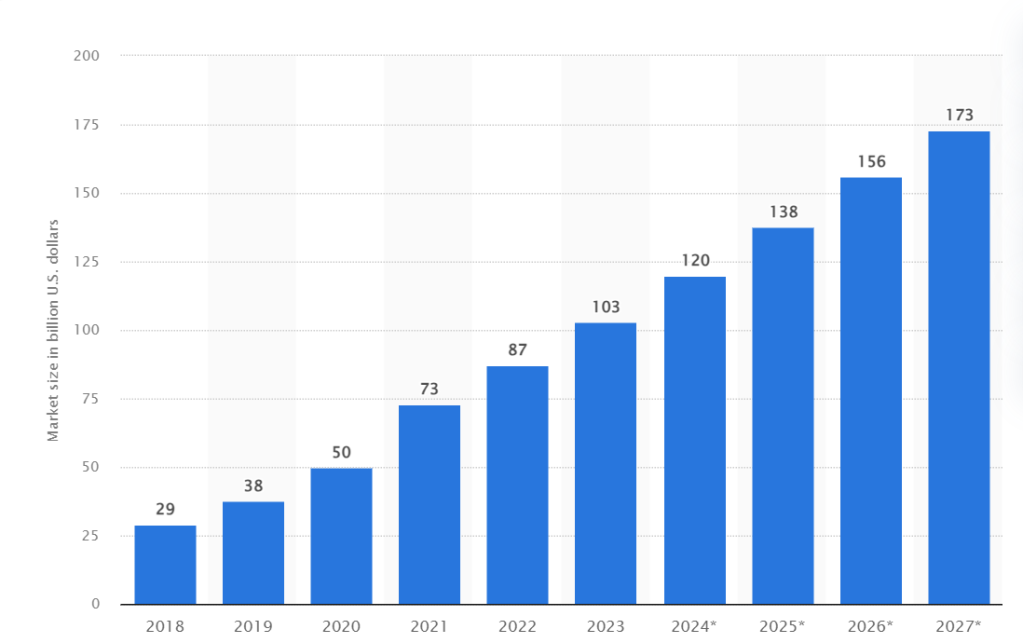
1. According to data collected by Forbes, the e-commerce sector in India is expected to reach INR 4416.68 billion and the UPI transactions reached INR 125.94 trillion in 2022. These are pretty huge numbers that show how widespread the use of e-commerce is.
2. On Singles' Day (November 11) 2022, Alibaba’s Tmall set a new record with $84.5 billion in sales in just 24 hours. This single day of shopping outpaces many countries' annual retail sales.
3. Over 50% of all global e-commerce sales now come from mobile devices.
4. The global e-commerce market was valued at approximately $4.9 trillion in 2021 and is expected to surpass $7 trillion by 2025.
5. Nearly 70% of online shopping carts are abandoned before the purchase is completed.
Conclusion
The rise of e-commerce has truly transformed how we shop, bringing unparalleled convenience and an incredible variety of choices right to our fingertips. This digital shift has not only boosted revenues for major platforms but has also created countless job opportunities in the tech and logistics sectors.
However, this convenience comes at a cost to physical stores and small businesses, especially in countries like India, are feeling the pinch. These local businesses, which form the backbone of our economy, are struggling to compete with the pricing and reach of online platforms. This leads to decreased revenues, job losses, and an impact on our local economies and cultural heritage. It’s sad to think about the unique, locally-made products losing their prominence to mass-produced online goods.
As we look to the future, it’s important to find a balance. We need to support small businesses and help them adapt to this digital age. By fostering a supportive environment for both online and offline retailers, we can create a more balanced and resilient economy that benefits everyone. It’s about making sure that the economic growth driven by e-commerce is inclusive and sustainable, so we can all enjoy the best of both worlds.
-Maanya Saikia


Comments