The Road to Recovery for Sri Lanka
A few months ago, Sri Lanka’s economy collapsed after it ran out of money to pay for food, fuel, and medicine. Protests started throughout the country as the people had been struggling with shortages of basic necessities and extremely high prices due to an inflation rate of more than 50%. The lack of enough fuel seized essential transportation services. The country cannot import the goods it needs from abroad as it does not have enough foreign currency. It owes more than $51 billion to foreign lenders, including $6.5 billion to China, and it isn’t able to even pay the interest, let alone the principal. Some of the causes of this economic crisis were years of mismanagement and corruption, such as the reckless borrowing from China, which was used to fund extravagant and unnecessary infra projects, policy changes such as tax cuts right before the Covid-19 pandemic, a massive drop in tourism due to the pandemic which was the country’s vital source of income and a sudden transition to organic farming which saw crop yields decrease massively.
Sri Lanka’s current president, Ranil Wickremesinghe, has a big task on his shoulders to pull his country out of this crisis. A functional government is essential to tackle this situation. The following steps can be adopted to bring a positive change:
Securing an IMF bailout:
The country’s first priority should be to restructure its huge debts. Negotiations are already underway for an IMF bailout of a possible $3 billion and also for restructuring existing IMF loans. But the catch is that any rescue package will most likely have strings attached, including privatizing state-owned companies and enterprises. Many economists are skeptical about an IMF bailout as they claim that the country would find it difficult to extend its external debt as the cost of capital would be too high for a country that had just defaulted. But these loans are not guaranteed until a detailed and well-structured macroeconomic policy is in place. Privatizing state-owned enterprises (SOEs) brings several benefits, such as a decrease in the reliance of these enterprises on the country’s GDP, thus decreasing its burden on the budget. It also prevents politics from affecting the administration and decision-making of these enterprises resulting in more efficient operations and enhances their competitive and innovative capacity.
More relief required to prevent a famine
The government should use Sri Lanka’s foreign exchange income which amounted to approximately $1.3 -1.5 billion per month, to prioritize the import of essentials that are currently in short supply. To further fund relief to the public and stimulate the economy, it should increase deficit spending, which is a process in which spending exceeds revenue.
Reversing the Tax Cuts
The original decision to decrease taxes in 2019 saw revenues fall by $2.2 billion. But even if they are reversed and hiked, it would not be the appropriate solution at this point in time when the country’s economy is at its lowest point, and it would make it very difficult for its citizens.
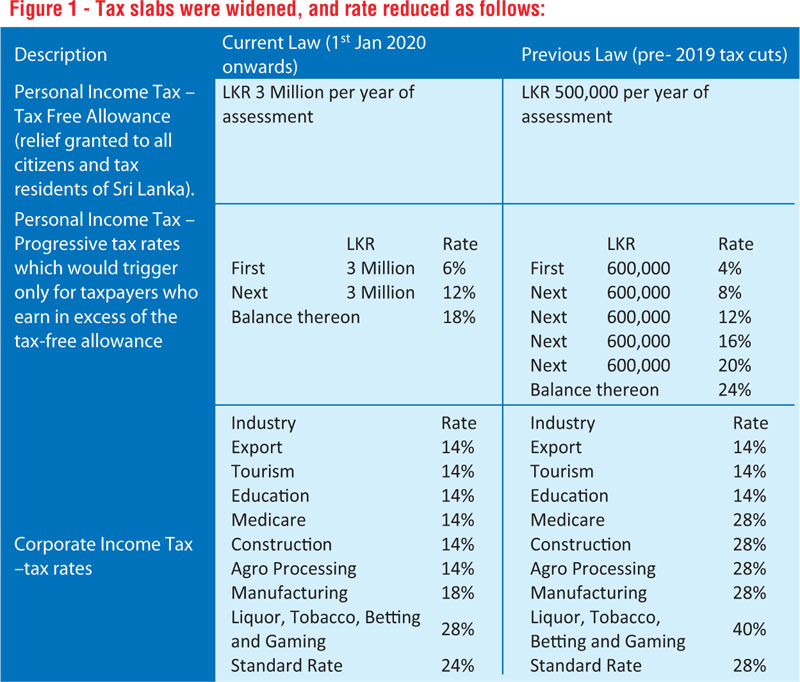
So if this occurs, despite bringing minor changes, it would still help tackle food shortages and other day-to-day problems. Instead of blindly increasing the taxes, the government should implement a more efficient way of collecting taxes and broaden the tax base to include more economic activities.
Restarting of Farming:
In November 2021, the government decided to nationwide transition to organic farming right after announcing a ban on inorganic fertilizer imports due to the supposed chronological health problems and ecological destruction caused by them and also to save foreign exchange reserves. Due to this ban, domestic rice production fell by 33% and tea production, Sri Lanka’s primary export, dropped by 16%. This sudden transition was accused of destroying the productivity gains achieved by farmers over several years. Therefore, the government would require an active stimulus to encourage the farmers, who had lost their confidence due to the transition, to recultivate their land. This would increase production to where it was before. On a positive note, the demand for Sri Lankan tea exports is high, leading to its higher prices partly due to the declining supply in the world. The demand is strong, especially from Middle Eastern and UAE buyers. Russian buyers are back after their absence due to the Ukraine-Russia war. So these are promising signs of increasing its foreign-exchange reserves and gradually recovering from the downfall.
Promoting Tourism
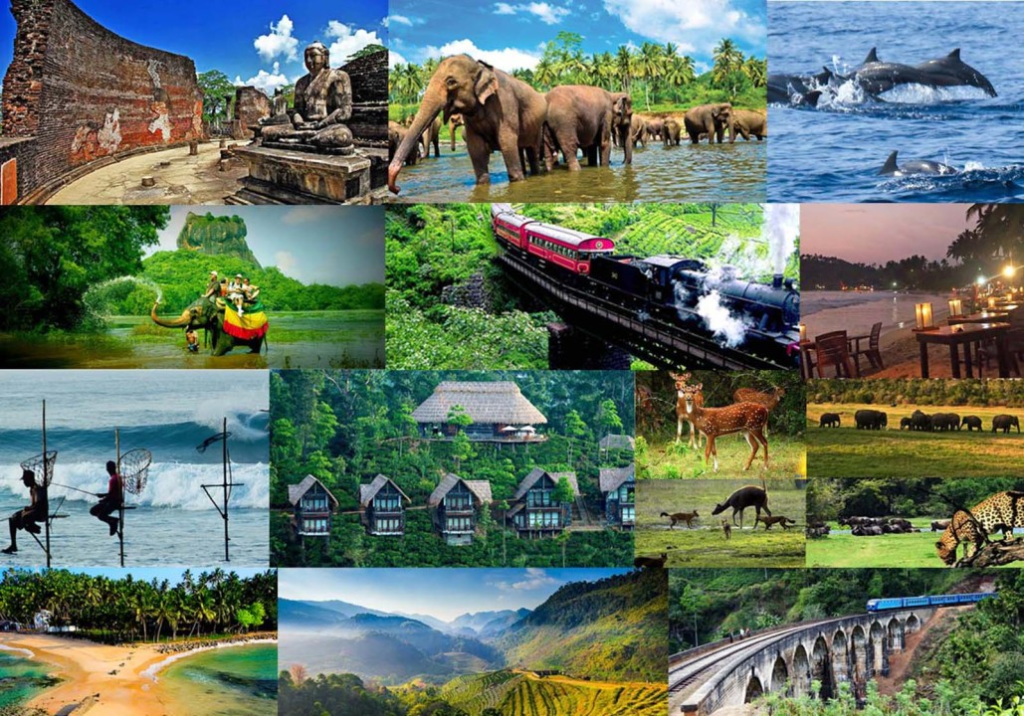
Tourism was the 3rd largest source of foreign exchange, a significant employer, and an important source of dollars that helped run the country. The industry, which serves as the backbone of the Sri Lankan economy, has been heavily hit due to a number of reasons, such as the Easter Sunday bombings, which saw an 18% decline in the number of tourists, the Covid-19 pandemic, which decreased arrivals drastically, the worsening economic situation in general and spillovers from the Ukraine - Russia war. The current economic conditions make it extremely difficult for businesses, which play an essential role in the tourism industry, to run due to prolonged power cuts and lack of transportation caused by high fuel prices.
Before the Ukraine-Russia war, the two countries made 25 percent of arrivals. The western sanctions on Russia, like the ban on the SWIFT payment system, had a massive effect on this percentage as the Russian citizens could not withdraw money and therefore cancelled their bookings. Sri Lanka’s current minister for Tourism and Lands, Harin Fernando, has said the tourism board would be striving to forge many partnerships with many online travel agencies, hotels and airline companies and to organize big-ticket events in the holiday seasons to attract international tourists. The government is also in the process of introducing free health insurance schemes for tourists, which would ensure free hospitalization for 30 days in case any visitor feels sick.
All these steps would help in the gradual recovery of Sri Lanka’s economy, but in order to maintain a steady and healthy economy, appropriate policy changes should be done, such as eliminating its anti-export and antiFDI(Foreign Direct Investment) biases. After all, a crisis is an unmatched opportunity to implement the necessary reforms.
-Sudarsan Mohanchander


Comments