Temples: Where Spirituality Meets Economics

Updated: May 21, 2025
Temples as Economic Powerhouses
Imagine a place that transcends the boundaries between the sacred and the secular. A place where millions gather for spiritual solace, yet bustling markets and booming tourism thrum with a vibrant energy. This isn't some mystical land; it's the very essence of temples and religious institutions in India.
These architectural marvels aren't just testaments to faith; they're powerhouses driving the Indian economy. These institutions draw millions of devotees and tourists annually, creating a bustling ecosystem of commerce, leading to substantial financial inflows. The influx of devotees and tourists drives the local economy, supporting a wide range of businesses and services. The economic impact of temples extends beyond only religious offerings. It influences various other sectors including tourism, retail, and local services. The financial impact of these visitors supports a variety of local enterprises, from small vendors to large hotels, and leads to infrastructure improvements that benefit the entire community. By fostering job creation and infrastructure development, temples play a pivotal role in bolstering local economies and enhancing community welfare and regional economic growth. Let's delve into the treasure chest of their economic impact.

A Golden Flood of Faith
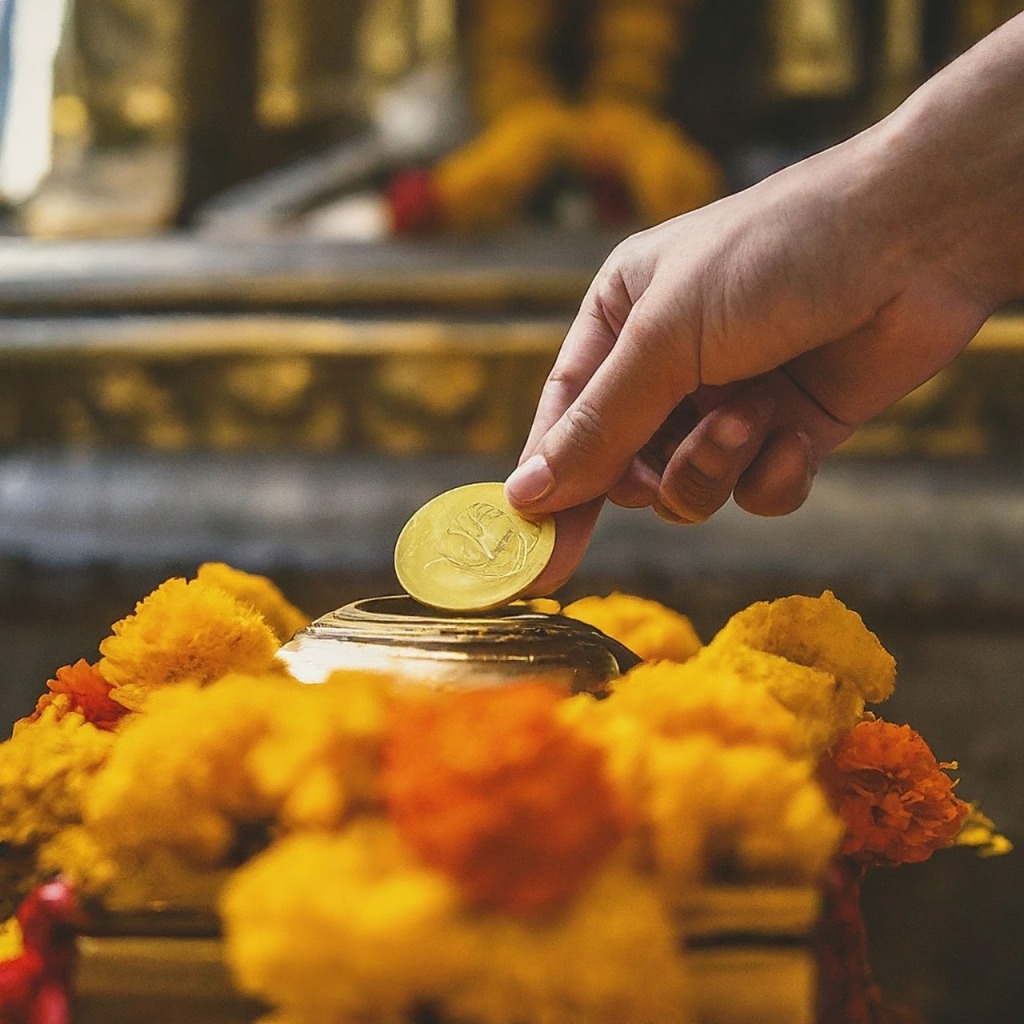
Indian temples shimmer with the generosity of devotees. From gold and silver offerings to cash donations, these contributions fuel the religious economy, estimated at a staggering $40 billion and constantly growing!
Tourism: A Spiritual Sojourn:
Temples aren't just destinations for the soul; they're magnets for millions of tourists. Pilgrimages to iconic sites like Kashi Vishwanath or Amritsar's Golden Temple create a windfall for local businesses - hotels overflow with pilgrims and tourists, restaurants teem with life, catering to the diverse tastes of visitors from across the country and even the globe, and transportation bustles with activity as taxis, buses, and trains ferry devotees to and from these sacred sites.
Festivals: A Time for Booming Business
Think Diwali or Durga Puja - these vibrant celebrations aren't just about religious fervour; they are a boon for the economy! The demand for flowers, sweets, festive attire, and decorations skyrockets, injecting a dose of prosperity into various sectors. Florists work around the clock to meet the surge in demand for garlands and bouquets. Sweet shops see their sales multiply as families indulge in traditional treats. The textile industry experiences a spike as people purchase new clothes for the festivities, and craftsmen and artisans find a thriving market for their decorations.
Economic Impact on Local Communities
Temples are more than just cash registers. They're job creators extraordinaire! From priests and administrative staff to security personnel and maintenance workers, temples provide a livelihood for countless individuals. The ripple effect doesn't stop there. Temples nurture a thriving ecosystem of ancillary services. Flower vendors weave fragrant offerings, artisans craft exquisite idols and paintings, transport services ferry devotees, and eateries cater to their hungry appetites.
Think temples don't care about your town? Think again! The influx of pilgrims often necessitates better infrastructure, which in turn benefits the entire community. Improved roads, new hotels, and upgraded sanitation facilities are just some of the developments that often accompany a thriving temple economy. This not only benefits the temple but also uplifts the entire local community.
For example, the town of Tirupati, home to the famous Tirumala Venkateswara Temple, has seen significant infrastructure development due to the influx of millions of pilgrims each year. The local government and temple authorities have invested heavily in expanding and upgrading the town's facilities, including the construction of better roads to accommodate the high volume of traffic, the establishment of numerous hotels and guesthouses to provide accommodation, and the implementation of advanced sanitation and waste management systems to maintain cleanliness. These improvements not only enhance the experience for pilgrims but also benefit the local residents by providing them with better amenities and boosting the local economy through increased tourism and employment opportunities.
Furthermore, temples often engage in charitable activities that directly benefit local communities. Many temples run schools, hospitals, and food distribution programs, providing essential services to those in need. These initiatives help to alleviate poverty, improve education and healthcare, and create a more equitable society. By investing in the well-being of their communities, temples contribute to long-term economic development and social stability.
For instance, the Akshaya Patra Foundation, initiated by the ISKCON Bangalore temple, runs one of the world's largest mid-day meal programs for school children. This program provides nutritious meals to millions of underprivileged children across India, improving their health and educational outcomes. Similarly, the Mata Amritanandamayi Math in Kerala operates numerous charitable initiatives, including Amrita Hospital, a state-of-the-art medical facility that offers free and subsidized healthcare to the needy. These temples also run educational institutions that provide quality education to children from economically disadvantaged backgrounds. By offering these vital services, temples like ISKCON and Mata Amritanandamayi Math play a crucial role in addressing social inequalities and fostering sustainable economic growth in their communities.
Given their significant role in fostering economic growth and social well-being, temples in India enjoy various tax exemptions that allow them to operate more efficiently and reinvest their resources in development. These exemptions recognize the multifaceted contributions of temples to society and provide them with the financial flexibility to sustain and expand their operations.
Tax Exemptions for Religious Institutions
Income Tax
Section 11 of the Income Tax Act, income derived from property held under trust for religious or charitable purposes is exempt from income tax. This means that the donations and offerings received by temples are not subject to taxation, allowing these funds to be fully utilized for their intended purposes, whether it’s maintaining the temple, supporting community services, or funding charitable activities.
Property Tax
In addition to income tax exemptions, many state governments provide property tax exemptions for buildings used for religious purposes. This significantly reduces the operational costs for temples, freeing up resources that can be redirected towards infrastructural improvements, social programs, and community outreach efforts.
GST Exemptions
Donations made to religious institutions are exempt from the Goods and Services Tax (GST). Additionally, religious institutions are not required to pay GST on the sale of religious books, prasad, and other related items. This exemption helps temples manage their finances more effectively, ensuring that religious and cultural products remain affordable for devotees while also sustaining the temple's economic ecosystem.
Wealth Tax
Wealth tax exemptions under the Wealth Tax Act, 1957, further alleviate the financial burden on religious institutions, allowing them to retain and grow their assets without the added pressure of taxation. This provision is particularly beneficial for temples with significant land holdings or valuable assets, ensuring that their wealth can be used to support their religious, social, and economic activities.
These tax exemptions play a crucial role in enabling temples to thrive as centres of economic activity and social welfare. By reducing their tax liabilities, the government helps ensure that temples can continue to provide essential services, support local economies, and contribute to the overall development of their communities.
Challenges and Controversies
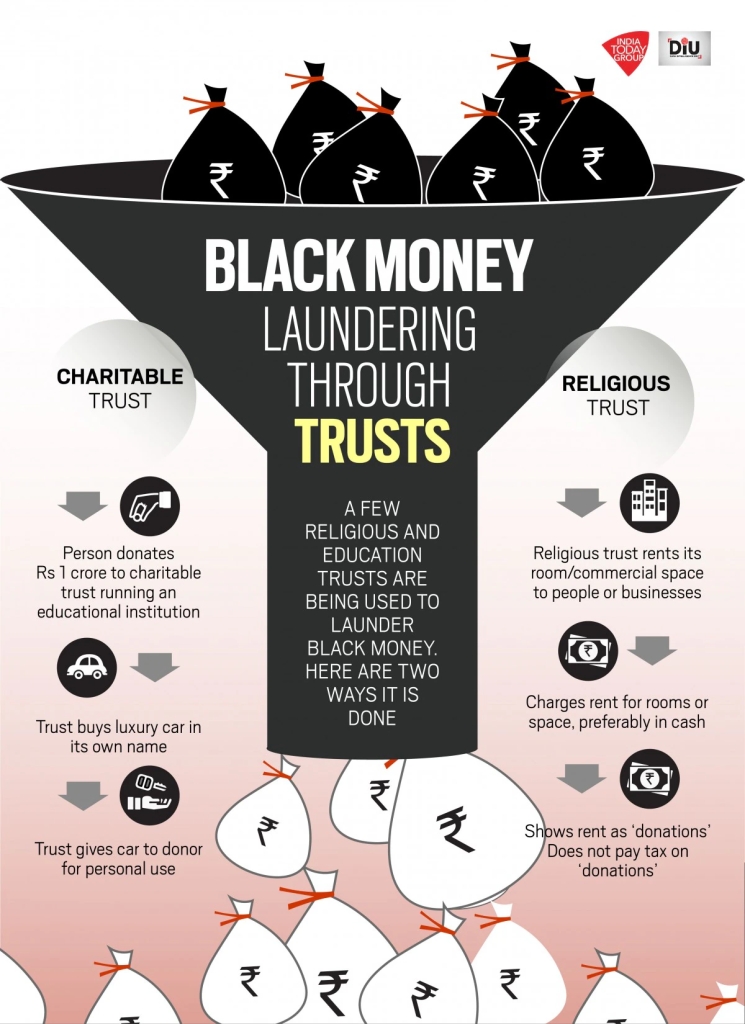
However, even the most radiant gems have flaws. Mismanagement, lack of transparency, and even occasional corruption can tarnish the temple's economic impact. In some instances, financial mismanagement has led to the squandering of valuable resources, and the lack of accountability can foster environments where unethical practices thrive. This not only undermines the economic benefits that temples provide but also erodes public trust and faith in these institutions.
Additionally, government control in some states sparks debates about autonomy and secularism. Critics argue that government intervention can lead to bureaucratic inefficiencies and politicization, detracting from the spiritual and economic roles that temples play. The question of whether temples should be independently managed or under state supervision remains contentious, with strong arguments on both sides. On one hand, state oversight can help prevent corruption and ensure that funds are used for public good; on the other hand, it can also impede the traditional autonomy and religious freedoms of temple institutions.
The path forward lies in striking a balance. Temples must embrace transparency and good governance to maximize their positive contributions. The government, in turn, can ensure a supportive framework that fosters economic growth without compromising religious freedom.
Conclusion
In conclusion, temples in India are more than just spiritual sanctuaries. They're the beating heart of a vibrant economic ecosystem. By fostering tourism, creating jobs, and supporting local businesses, they leave an undeniable mark on the nation's prosperity. As India marches forward, temples will undoubtedly continue to be not just pillars of faith, but also pillars of economic growth.
Indian temples are a testament to the enduring power of faith to shape not only the spiritual but also the economic landscape of a nation. As centres of devotion and engines of economic activity, they will remain integral to India's journey towards greater prosperity and development. The harmonious coexistence of spirituality and commerce within these sacred spaces highlights the unique and multifaceted role they play in the country's progress.
-Rithvik Vallivedu


Comments